




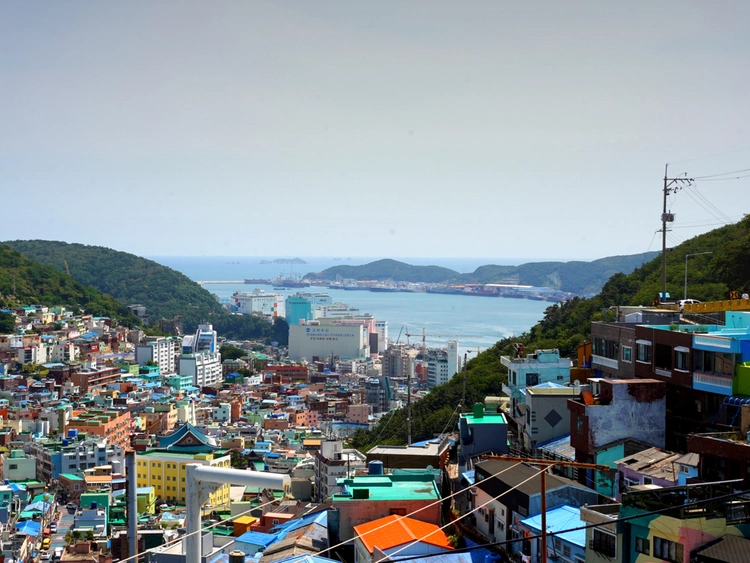
Busan Galmaetgil Coastal Walk: Self-Guided Route & Booking Pack
₩339,000
Reward Points
3,390 Reward points to be earned to be earned
Four Different Walking Experiences
1. Coastal Walks – Follow dramatic seaside trails, rocky cliffs, ocean viewpoints, and fishing villages while enjoying spectacular views of the East Sea.
2. Forest and Mountain Walks – Explore shaded woodland paths, mountain ridges, and historic trails surrounded by nature.
3. Riverside and Wetland Walks – Discover peaceful riverbanks, ecological parks, migratory bird habitats, and the scenic Nakdonggang River estuary.
4. Urban and Cultural Walks – Wander through historic neighbourhoods, traditional markets, local communities, and cultural landmarks to experience Busan's everyday life and heritage.
History and origins
Galmaet-gil was developed by the Busan Metropolitan Government in 2009 as a way to connect the city's existing coastal paths, mountain trails, riverside walks and urban neighbourhoods. Its name combines seagull, Busan's symbolic bird and Gil meaning path. The trail network was completed in 2012, creating a walking route that showcases the city's natural and cultural heritage.
Length and route structure
The complete Galmaet-gil network stretches approximately 279km, divided into 9 main courses and 23 sections. It takes walkers through coastal landscapes, forested mountains, riverside parks, fishing villages, and busy urban districts. Walkers can choose individual sections depending on their fitness, interests, and available time.
Natural landscapes
One of Galmaet-gil's greatest attractions is its diversity of scenery. The trails follow Busan's dramatic coastline, pass through pine forests and mountain ridges, and continue alongside rivers and wetlands. The landscape constantly changes, offering views of the East Sea, fishing harbours, offshore islands, and the Nakdonggang River estuary.
Historical and cultural significance
Galmaet-gil is also a journey through Busan's history. Some sections pass through old fishing communities, historic ports, traditional markets, and cultural neighbourhoods. Walkers can discover places connected to Busan's maritime trading history and its role as South Korea's temporary capital during the Korean War, when it became a refuge for thousands of displaced people
Walk & Taste Local Busan
Discover Busan's famous local food, including pork rice soup, milmyeon noodles, fresh seafood, and traditional market snacks.