


Gyeongju Hanok Stay + UNESCO Sites [Self-Guided]
₩120,000
Reward Points
1 Reward points to be earned to be earned
About This Trip
Gyeongju
Gyeongju is a historic city in southeastern South Korea, often called the museum without walls for its remarkable concentration of ancient temples, royal tombs, palace ruins, and cultural treasures. Once the capital of the Silla Kingdom for nearly a thousand years, from 57 BCE to 935 CE, Gyeongju preserves the legacy of one of Korea’s most influential ancient dynasties.
Overnight Hanok Stay
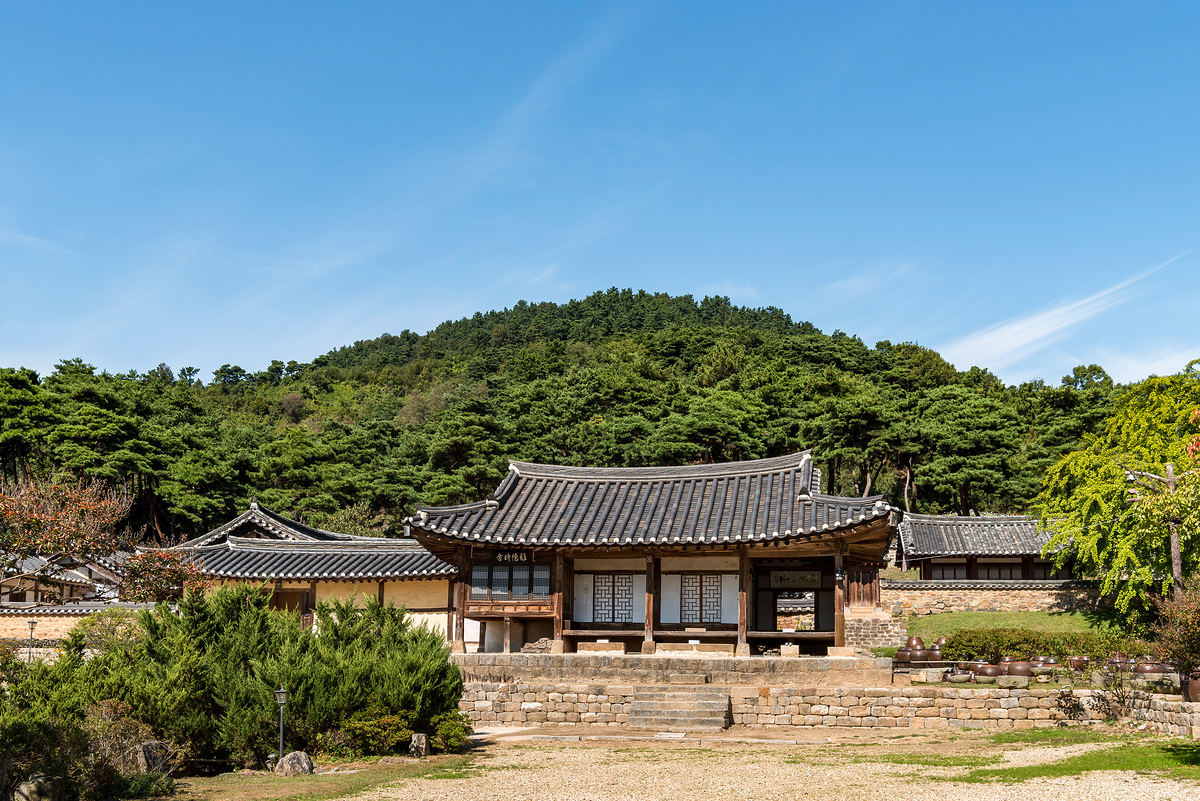
Hanok houses feature natural materials, curved tiled roofs, wooden structures and ondol (underfloor heating), showcasing traditional Korean craftsmanship, climate-adapted design and the importance of balance between people and their surroundings.
UNESCO World Heritage sites
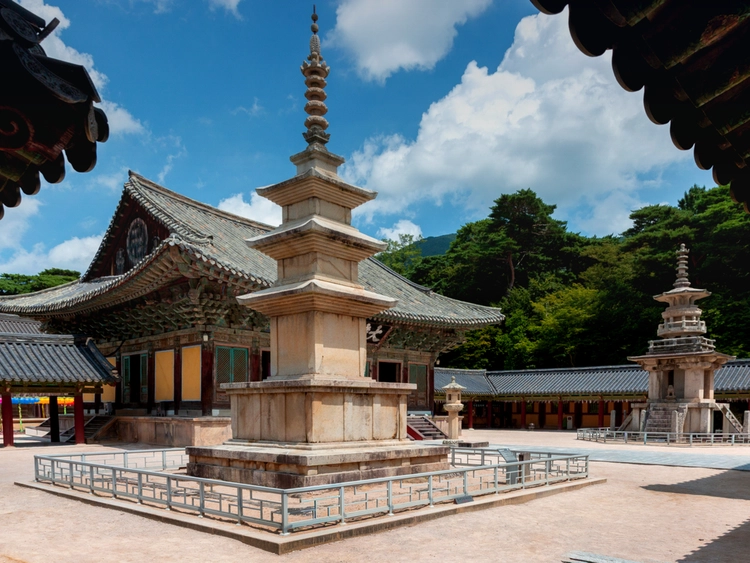
Set on the forested slopes of Mount Toham near Gyeongju, Bulguksa Temple and Seokguram Grotto are two of South Korea’s most important Buddhist heritage sites. Recognized together as a UNESCO World Heritage Site in 1995, the temple and grotto represent two complementary expressions of Buddhist devotion: Bulguksa’s elaborate temple architecture and Seokguram’s serene stone Buddha sanctuary.
Day 2 (Optional Sites)
-Daereungwon: An ancient royal tomb complex featuring grassy burial mounds from the Silla Kingdom. Visit to explore Korea’s royal history and see the fascinating Cheonmachong tomb.
- Cheomseongdae: One of East Asia’s oldest surviving astronomical observatories, built during the Silla period. Visit to admire its unique stone architecture and enjoy the surrounding seasonal flower fields.
- Gyerim Forest: A peaceful ancient woodland steeped in legends about the origins of the Silla royal families. Visit for a relaxing nature walk and a glimpse into Korea’s ancient myths.
- Gyochon Traditional Village: A charming traditional Korean village featuring historic hanok houses, tiled roofs and stone walls. Visit to experience traditional Korean culture, explore historic homes and sample local delicacies.
- Woljeonggyo Bridge: A beautifully reconstructed traditional wooden bridge reflecting the architectural elegance of the Silla period. Visit for stunning riverside views and spectacular illuminated scenery after sunset.
About This Trip
Gyeongju
Gyeongju is a historic city in southeastern South Korea, often called the museum without walls for its remarkable concentration of ancient temples, royal tombs, palace ruins, and cultural treasures. Once the capital of the Silla Kingdom for nearly a thousand years, from 57 BCE to 935 CE, Gyeongju preserves the legacy of one of Korea’s most influential ancient dynasties.
Overnight Hanok Stay
Hanok houses feature natural materials, curved tiled roofs, wooden structures and ondol (underfloor heating), showcasing traditional Korean craftsmanship, climate-adapted design and the importance of balance between people and their surroundings.
UNESCO World Heritage sites
Set on the forested slopes of Mount Toham near Gyeongju, Bulguksa Temple and Seokguram Grotto are two of South Korea’s most important Buddhist heritage sites. Recognized together as a UNESCO World Heritage Site in 1995, the temple and grotto represent two complementary expressions of Buddhist devotion: Bulguksa’s elaborate temple architecture and Seokguram’s serene stone Buddha sanctuary.
Day 2 (Optional Sites)
-Daereungwon: An ancient royal tomb complex featuring grassy burial mounds from the Silla Kingdom. Visit to explore Korea’s royal history and see the fascinating Cheonmachong tomb.
- Cheomseongdae: One of East Asia’s oldest surviving astronomical observatories, built during the Silla period. Visit to admire its unique stone architecture and enjoy the surrounding seasonal flower fields.
- Gyerim Forest: A peaceful ancient woodland steeped in legends about the origins of the Silla royal families. Visit for a relaxing nature walk and a glimpse into Korea’s ancient myths.
- Gyochon Traditional Village: A charming traditional Korean village featuring historic hanok houses, tiled roofs and stone walls. Visit to experience traditional Korean culture, explore historic homes and sample local delicacies.
- Woljeonggyo Bridge: A beautifully reconstructed traditional wooden bridge reflecting the architectural elegance of the Silla period. Visit for stunning riverside views and spectacular illuminated scenery after sunset.